
Dry Eye Treatment
in Novi
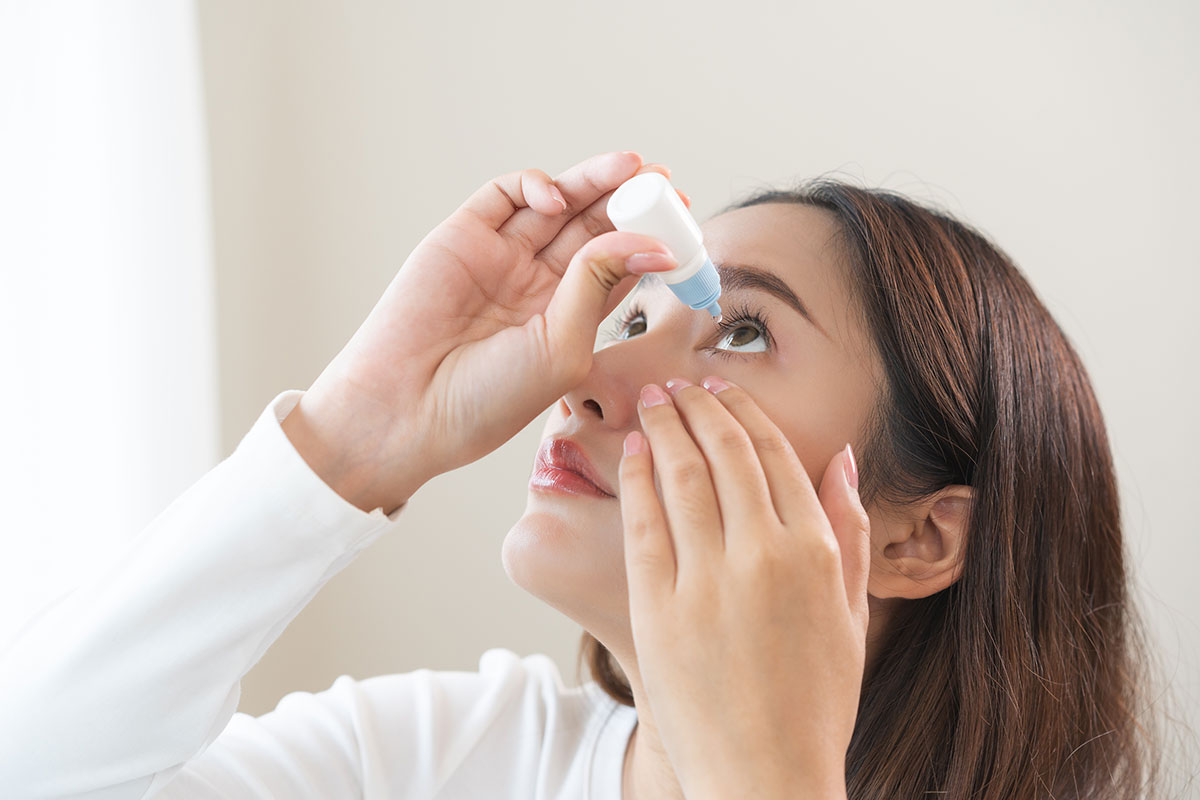
Dry Eye Treatment in Novi
Find relief from dry, itchy, & irritated eyes
Dry, burning, watery, or gritty eyes can make reading, screen use, and contact lens wear uncomfortable. Rather than relying only on temporary relief, dry eye treatment in Novi identifies what is disrupting your tear film and targets the cause of your symptoms.
Dr. Robyn Dragoo provides personalized care based on your eye health, symptoms, and the factors contributing to your dry eye. From treatment for blocked oil glands to prescription options and practical habit changes, your care plan is built around lasting comfort and clearer vision.

What is dry eye syndrome?
Dry eye, also known as dry eye syndrome, happens when your eyes do not make enough tears or when the quality of your tears is poor. Tears protect the eye’s surface, wash away debris, and help keep vision clear. When the tear film becomes unstable, it can lead to irritation, inflammation, and damage to the surface of the eye. The National Eye Institute identifies dry eye as a common condition that can occur when the eyes do not make enough tears or when tears do not work properly1.
Dry eye symptoms
Dry eye can go beyond occasional irritation and start to interfere with daily life. Symptoms may include:
Intense burning or stinging sensations
Persistent redness and inflammation
A constant gritty or sandy feeling in the eyes
Blurred or fluctuating vision that doesn’t improve with blinking
Excessive tearing (as a response to dryness)
Sensitivity to light (photophobia)
Difficulty keeping eyes open for extended periods
Pain or discomfort when wearing contact lenses
Eye fatigue or strain, especially during screen use or reading

Dry eye causes
There are several reasons why dry eye may develop, and often more than one cause is to blame. Some of the most common contributors include:
Meibomian gland dysfunction (MGD)
The meibomian glands in your eyelids produce the oily layer of your tear film. If these glands become blocked or stop functioning properly, your tears can evaporate too quickly.
Blepharitis
This condition causes inflammation of the eyelids, often due to bacteria or clogged oil glands. It’s a frequent underlying cause of dry eye.
Aging, screen time, contact lens wear, environmental factors, medications, and certain medical conditions can also contribute to dry eye symptoms.
Dry eye syndrome treatments
If you’re experiencing persistent dry eye symptoms, it may be a sign that your dry eye condition has progressed and requires professional treatment. During a comprehensive eye exam, Dr. Dragoo can diagnose the underlying cause and create a tailored treatment plan to restore your comfort.
At Focus Eyecare, we offer personalized dry eye treatments that target the underlying cause of your symptoms. Treatment may include prescription eye drops to reduce inflammation and increase tear production, oral medications, or lifestyle changes such as blinking exercises and adjusting screen use habits.
For patients with meibomian gland dysfunction, a common cause of dry eye, we also offer TearCare® treatment for more effective relief:
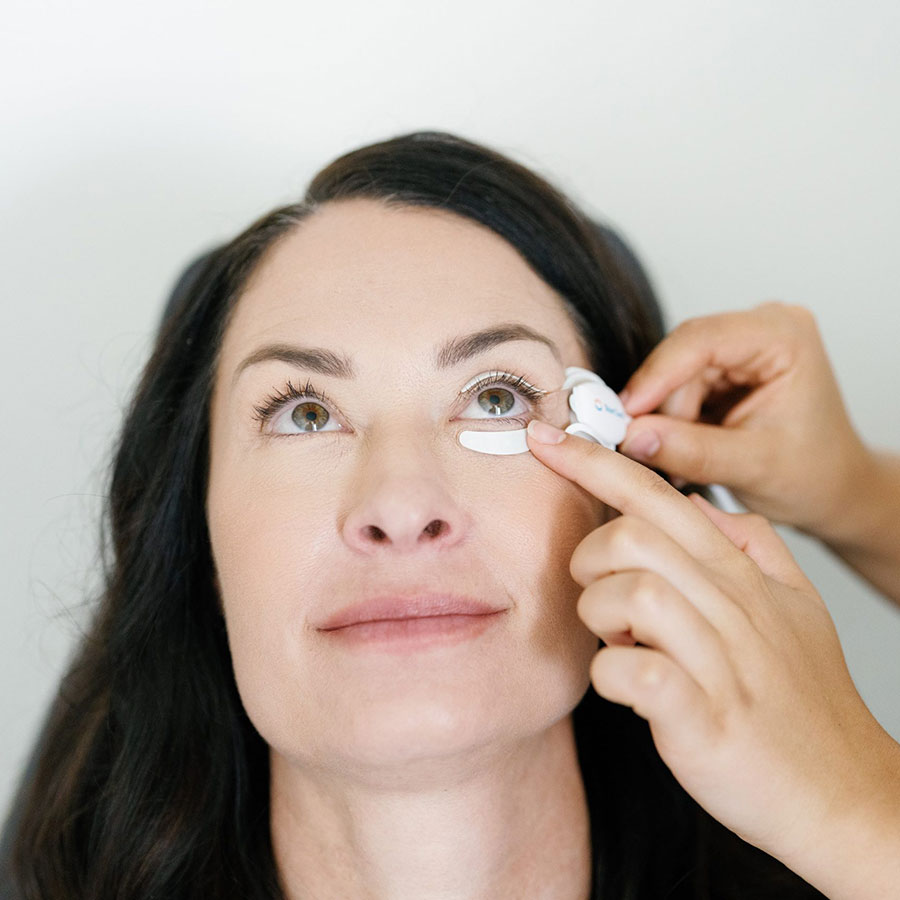
TearCare® system: In-office dry eye relief
If you’re tired of relying on eye drops that only offer temporary relief, the TearCare® system could be the solution. This quick, comfortable in-office procedure uses gentle heat to unblock the meibomian glands, restoring your eyes’ natural ability to produce healthy tears.
Unlike eye drops that only treat the surface, TearCare® targets the root cause of dry eye. Most patients notice significant, lasting relief after treatment, making it a more effective option for long-term comfort and clearer vision.
Visit our dry eye doctor near you
If you’re struggling with dry, irritated eyes, you don’t have to live with discomfort. Dr. Dragoo has the experience, technology, and dedication to help you get back to seeing clearly and comfortably.
Schedule an appointment with our dry eye specialist today or stop by; walk-ins are welcome.
Dry Eye FAQ
Why do my eyes water if I have dry eye?
Irritated eyes can produce a burst of reflex tears. These tears may create temporary watering, but they do not always have the balanced oil and moisture needed to keep the eye surface comfortably lubricated. A persistent sandy or gritty feeling can also be a sign of dry eye.
Can I still wear contact lenses if I have dry eye?
Often, yes. Dry eye can make contact lenses less comfortable, but treating the underlying cause and reviewing your lens type, wearing schedule, and care routine may help. A contact lens exam can help determine the best approach for your eyes.
How soon will I notice improvement with dry eye treatment?
Timing depends on the cause of your symptoms and the treatment recommended. Some patients notice improvement with early care changes, while treatment for inflammation or meibomian gland dysfunction may require ongoing care and follow-up to support more lasting relief.