
Binocular Vision Dysfunction
Treatment in Novi
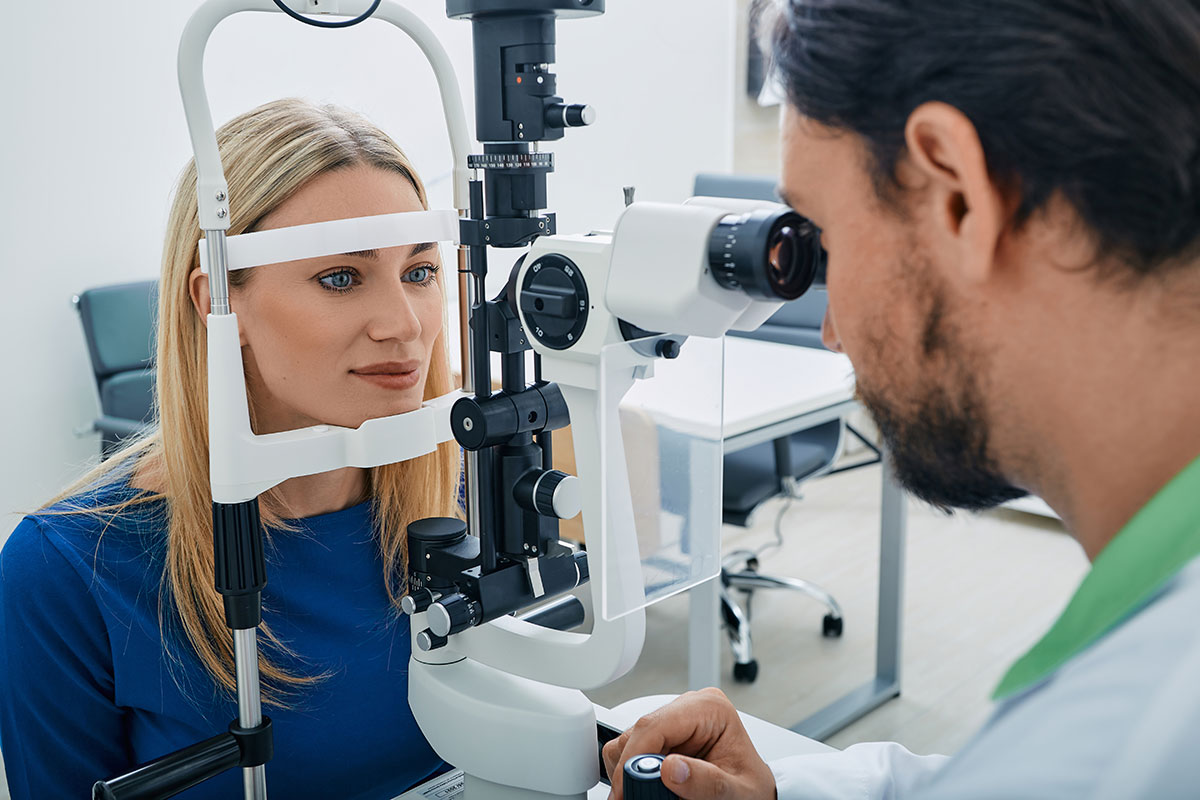
Binocular Vision Dysfunction Treatment in Novi
Headaches, dizziness, eye strain, or difficulty concentrating can make reading, screen use, driving, and other everyday tasks more difficult. When the eyes do not coordinate efficiently, the visual system may need to work harder to maintain a single, comfortable image.
A thorough evaluation looks beyond a glasses prescription to understand how your eyes align, focus, and work together. Your care begins with time to discuss your symptoms and a personalized plan based on your visual needs — whether that includes monitoring, vision therapy, or another appropriate next step.
What is binocular vision dysfunction?
Binocular vision dysfunction, sometimes called a binocular vision disorder, occurs when the eyes and brain do not work together in a coordinated way. Even when eyesight is clear, alignment or eye-teaming concerns can make it harder to maintain one comfortable image during reading, computer work, driving, and other sustained visual tasks.
According to the Cleveland Clinic, BVD can occur in adulthood and may be associated with factors such as concussion, stroke, migraines, or age-related focusing changes. A comprehensive eye exam with binocular vision testing can assess how the eyes align, focus, track, and work together.
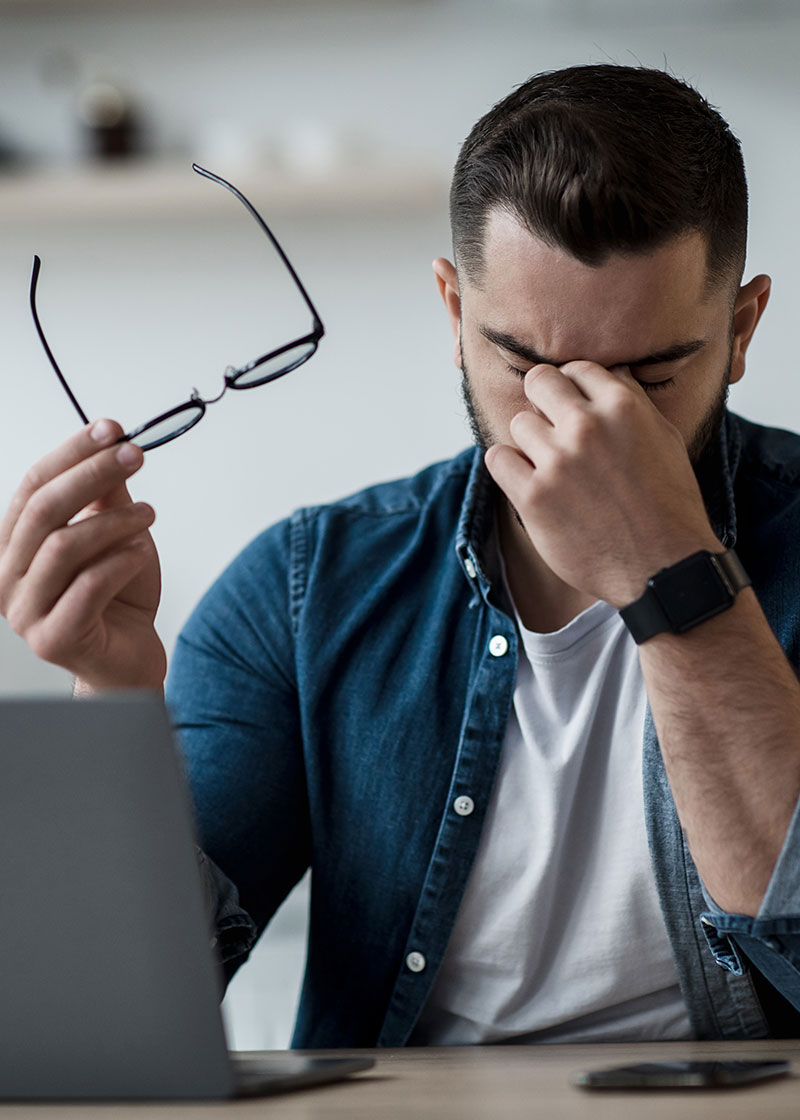
Binocular vision dysfunction symptoms
BVD symptoms can look different for each person, but some of the most common include:
Frequent headaches or migraines
Eye strain or fatigue after reading or using a computer
Blurry or double vision
Dizziness or balance issues
Trouble concentrating, especially during near tasks
Sensitivity to light
Difficulty with depth perception
If you’ve been told your eyes are “healthy” but still experience these issues, it may be worth asking about binocular vision dysfunction testing.
How to treat BVD
The best BVD treatment depends on your unique symptoms and how your eyes work together. At Focus Eyecare, we may recommend:
Vision therapy
We will recommend personalized exercises that help train your eyes to work together as a team, improving eye coordination and gradually reducing uncomfortable symptoms.
Ongoing care
Since binocular vision dysfunction can change over time, we schedule follow-up visits and adjust your treatment plan to keep your eyes comfortable and your vision clear.
Start feeling better with personalized BVD treatment
Living with binocular vision dysfunction doesn’t have to hold you back. Relief is possible with the right evaluation and BVD treatment tailored to your needs. Call our office in Novi today to schedule an appointment and learn how we can help you see and feel better every day.
Binocular vision dysfunction FAQs
Why can symptoms come and go?
Symptoms may be more noticeable when the visual system is under greater demand — such as after prolonged reading, screen use, driving, or fatigue. The amount of effort needed to keep the eyes working together can vary throughout the day.
Can binocular vision dysfunction develop after a concussion or brain injury?
Yes. A concussion or other brain injury can affect eye alignment, focusing, tracking, and visual processing. New or ongoing headaches, dizziness, double vision, difficulty reading, or discomfort in busy environments after an injury should be evaluated by an eye doctor.
What is the difference between binocular vision testing and a routine eye exam?
A routine exam checks eye health and prescription needs. Binocular vision testing takes a closer look at how the eyes align, focus, track, and work together during visual tasks, which may reveal concerns not measured by standard acuity testing alone.